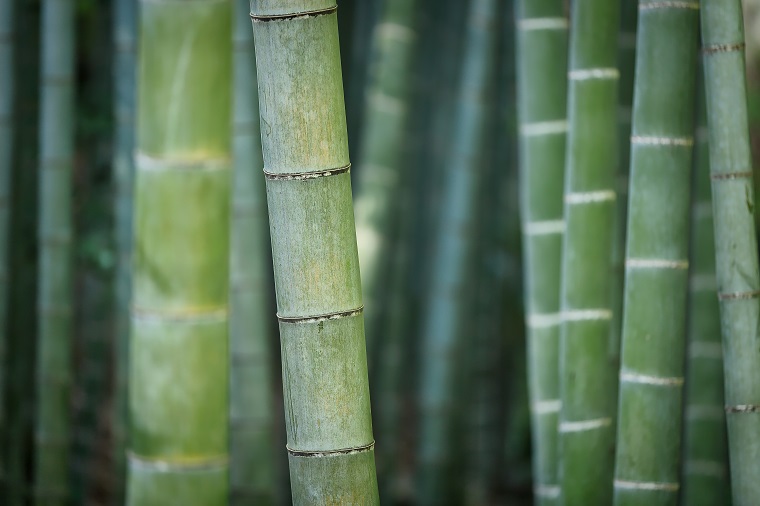
Bringing vibrant greenery into residential and commercial spaces creates a calming atmosphere, improves visual aesthetics, and connects interior environments with nature. Among the most popular indoor house plants across the globe is Dracaena sanderiana, commonly referred to in everyday culture as lucky bamboo. Despite its widespread common name and physical resemblance to traditional forest canes, this resilient botanical species belongs to the asparagus family rather than the true woody grass family.
Cultivating healthy Dracaena sanderiana requires understanding its fundamental growth requirements, water chemistry, root dynamics, and physical support systems. Because many indoor gardeners choose to grow these green stalks directly in water rather than soil, selecting the ideal container plays an essential role in plant health. The size, material, color, and drainage capabilities of a vase directly impact root aeration, algae proliferation, stem stability, and long-term vitality.
Understanding the Growth Requirements of Dracaena sanderiana
Dracaena sanderiana is native to the tropical rainforest regions of Central Africa, where it thrives under dense forest canopies. This natural habitat provides key clues regarding its care requirements inside modern homes and offices. The plant prefers bright, indirect sunlight, consistent warm temperatures, and high ambient humidity. Direct sunlight scorches the tender green leaves, causing yellowing, brown tips, and cellular damage, while deep shade slows growth and causes stems to lose their rich green pigmentation.
When grown in water hydroponically, the plant relies entirely on the surrounding liquid medium for hydration, oxygen exchange, and essential mineral absorption. Unlike terrestrial soil environments where roots anchor themselves in packed earth, water-grown stalks depend on the structural design of the vase and supporting pebbles to remain upright.
Root development in hydroponic setups looks quite distinct from soil-grown roots. Healthy water roots appear as thin, fibrous, reddish-orange or light pink filaments expanding from the base of the stem. Maintaining clean water and providing ample space for these roots to spread out without crowding determines how efficiently the plant absorbs water and distributes nutrients to upper foliage.
Evaluating Vase Materials for Water Cultivation
Selecting the proper vase material involves balancing root visibility, light exposure, cleaning convenience, and aesthetic preference. Each common vessel material offers distinct advantages and maintenance considerations for indoor growers.
Clear glass vases remain the most popular choice for displaying Dracaena sanderiana. Glass allows complete visibility of the root network, water level, and submerged decorative stones. Watching root growth provides immediate feedback regarding plant health, making it easy to spot rotting roots or murky water early. However, clear glass allows ambient light to penetrate directly into the water column. When natural or artificial light hits standing water containing trace nutrients, algae spores flourish rapidly. Green algae coats the interior glass walls, covers root systems, and competes with the plant for dissolved oxygen, requiring frequent scrubbing and water changes.
Opaque ceramic and porcelain vases present a practical solution to persistent algae growth. By blocking light from reaching the root zone, ceramic vessels prevent algae blooms and keep standing water clean for longer periods. Darker ceramic finishes also protect delicate root systems from light exposure, mimicking the dark underground environment roots experience in natural soil. The primary trade-off is the inability to monitor water clarity and root health at a glance, requiring growers to check water levels manually by lifting the stalks or feeling inside the vessel.
Terracotta and porous unglazed clay vessels offer high breathability, but they present unique challenges in hydroponic setups. Unglazed clay absorbs water through its porous walls, leading to rapid evaporation and cooling. Mineral salts from tap water also seep through the clay, creating white crusty deposits along the exterior vessel surface. If using clay, selecting a glazed interior finish prevents excessive water loss while maintaining structural weight at the base.
Metals such as copper, brass, or untreated iron should be avoided completely. Metallic ions leach into standing water over time, altering liquid pH and creating toxic chemical environments that cause root burn, leaf drop, and eventual plant decay.
Optimal Vessel Shape, Height, and Root Space
Beyond material composition, the physical geometry of a vase dictates how securely stalks stand and how freely roots expand.
Vase height should complement the length of the submerged stems. A general design guideline is choosing a vessel that measures roughly one-third to one-half the total height of the plant stalks. Top-heavy arrangements or tall spiral stalks require deep, heavy vessels to prevent tipping over. A vase that is too short allows tall stems to lean, putting mechanical stress on the lower stem base and spilling water across tabletop surfaces.
Vessel width determines root space and air circulation across the water surface. Narrow cylinder vases force multiple stalks tightly together, restricting root expansion and reducing dissolved oxygen levels in the water column. Packed roots tangle easily, trapping organic debris and creating stagnant zones where anaerobic rot bacteria thrive. A wider vessel allows water to oxygenate naturally at the surface while providing individual stems room to generate healthy, spreading root systems.
Hourglass or flared-top vases offer excellent structural support for multi-stem arrangements. The narrow waist of an hourglass vase gathers the mid-section of the stems together cleanly, while the wider base provides ample space for root expansion and stone placement. Flared rims support leaning side shoots and heavy leaf heads without crimping tender stem tissue.
The Essential Role of Substrates and Anchorage
Because water provides no mechanical resistance, Dracaena sanderiana stalks require a stable substrate to stay upright inside wide-mouthed vases.
Smooth river rocks, polished quartz pebbles, marbles, or glass gems serve as excellent decorative anchorages. Adding two to three inches of clean, washed stones at the bottom of the vase holds the base of the stems firmly in place, allowing roots to weave securely between the rocks. River rocks and smooth pebbles mimic natural stream beds, providing a stable footing that resists accidental bumps or breezes from open windows.
Before adding any rock substrate to a vase, thorough washing is mandatory. Unwashed pebbles carry fine rock dust, clay particles, and organic matter that immediately cloud standing water and clog microscopic root pores. Boil or rinse stones in clean water several times until the runoff runs crystal clear before arranging them around plant stems.
Avoid using artificially dyed gravel or synthetic decorative substrates that release chemical dyes into the water over time. Unstable chemical coatings can alter water chemistry, coat sensitive root tips, and leach synthetic compounds that harm plant tissue over extended exposure.
Water Quality, Chemistry, and Changing Routines
Water quality represents the single most critical factor in keeping water-grown stalks green and vibrant. Using improper water causes leaf tip burn, yellowing stems, and sudden root decay.
Municipal tap water often contains dissolved chlorine, chloramines, fluorine, and mineral salts added for public sanitation. While safe for human consumption, Dracaena species are exceptionally sensitive to fluoride and chlorine. Fluoride accumulation causes irreversible tip burning, where leaf points turn brown, dry, and papery. Chlorine causes root burn and stress.
Filtered water, distilled water, or collected rainwater provide the safest liquid environment for hydroponic growth. If using municipal tap water, allow the water to sit uncovered in a open pitcher for twenty-four to forty-eight hours before adding it to the vase. This resting period allows dissolved chlorine gas to dissipate into the atmosphere. However, note that chloramines do not evaporate through resting and must be neutralized using water conditioners or carbon filtration systems.
Maintaining proper water depth is equally important. Submerge the base of the stems under two to three inches of clean water. Avoid filling the vase completely to the brim. Submerging green stem tissue too deeply encourages rot along the upper trunk where foliage leaves branch off. Maintaining a consistent two-inch water line encourages root growth at the very base of the stalk while keeping upper stem tissue dry and healthy.
Perform complete water changes every two to three weeks. Drain the old water completely, rinse the rock substrate, scrub away any film from the vase walls, and refill with fresh room-temperature water. Using ice-cold water shocks the tropical root system, while warm water accelerates bacterial growth.
Nutrient Management for Long-Term Health
Water alone provides hydration, but pure water lacks the essential nitrogen, phosphorus, potassium, and trace minerals needed for long-term leaf production and stem growth.
Plants growing in water require extremely light fertilization. Standard houseplant fertilizers used at full strength will instantly burn delicate water roots, turn leaves yellow, and cause stem collapse. Use a specialized liquid hydroponic fertilizer or a balanced liquid houseplant food diluted to one-quarter or one-tenth of the recommended package strength.
Apply diluted fertilizer solution once every two to three months during the active spring and summer growing seasons. Skip fertilization completely during cold winter months when plant metabolism slows naturally. If water begins turning cloudy or roots display brown, slimy tips shortly after feeding, flush the vase immediately with clean distilled water to clear excess nutrient salts.
Transitioning to Soil for Maximum Lifespan
While Dracaena sanderiana can survive in water for several years with proper care, growing the plant in rich, well-draining soil provides the most stable long-term environment for maximum growth and longevity.
If a plant outgrows its water vase, develops massive root clusters, or shows signs of chronic nutrient deficiency, transitioning it into a soil container is straightforward. Choose a pot equipped with bottom drainage holes to prevent standing water accumulation around the roots.
Fill the pot with a light, airy potting mix containing equal parts standard potting soil, peat moss, and perlite or coarse sand. Perlite enhances drainage and aeration, preventing the soil from compacting tightly around delicate water-adapted roots. Plant the rooted base firmly in the soil mix, water thoroughly, and keep the soil consistently damp for the first few weeks as the root system adapts from liquid to soil environments.
Long-Term Interior Styling and Care Success
Cultivating Dracaena sanderiana brings clean lines, rich green color, and timeless natural beauty into any home office, living room, or commercial lobby. Choosing the right vase—combining opaque or shaded materials, stable base weighting, smooth rock anchoring, and appropriate height—creates an ideal environment for steady growth.
By pairing a well-designed vessel with purified water, indirect lighting, and gentle cleaning routines, you ensure that your green arrangements remain healthy, striking, and resilient for years to come. Simple care choices yield long-lasting botanical displays that brighten interior architecture and celebrate sustainable indoor living.
About Bothbest
Bothbest is a premier Chinese manufacturer and exporter specializing in high-grade bamboo flooring, outdoor bamboo decking, and structural panels. Operating advanced production facilities, Bothbest supplies durable strand-woven solutions to international clients, focusing on extreme material density, sustainable manufacturing processes, and long-lasting performance for residential and commercial spaces.