Minimalist furniture design centers on uncluttered lines, functional geometry, and an appreciation for honest material expression. Rather than concealing structural elements behind ornate carvings, thick veneers, or heavy decorative trims, minimalist aesthetics embrace clean forms that highlight the intrinsic texture, tone, and assembly logic of the chosen materials. Achieving this balance requires sheet goods and solid panels that offer dimensional stability, uniform strength, and clean workability without inflating production budgets.
Finger joint pine panels and specialized pine plywood have emerged as favored materials among modern furniture designers, custom cabinetmakers, and studio woodworkers. By combining the pale, warm tones of pine with precise finger-joint engineering, these panels provide a stable, visually intriguing surface that aligns naturally with Scandinavian, Japandi, and contemporary industrial design philosophies.
Understanding the Aesthetics and Structural Logic of Finger Joint Construction
Modern minimalism relies heavily on material honesty. Finger joint panels are created by milling interlocking comb-like teeth into the ends of short, solid pine timber strips, bonding them under pressure with durable resins, and edge-gluing the long sections into wide, flat sheets.
This process converts small, sustainably harvested timber yields into structurally sound architectural panels. Visually, the interlocking finger joints create a subtle, repeating geometric mosaic across the panel surface. Rather than presenting an unbroken, artificial wood grain or hiding joints beneath plastic laminates, finger-jointed pine celebrates the natural variation of real timber. The light cream, pale straw, and soft amber hues of pine interlock in a rhythmic pattern that adds visual depth to minimalist furniture without feeling visually loud or cluttered.
From a structural perspective, finger joint manufacturing directly addresses the inherent tendencies of raw pine. Raw softwood contains internal moisture tension, knots, and uneven grain direction that can cause solid boards to warp, twist, or cup over time. During finger joint panel manufacturing, natural flaws like loose knots, sap pockets, and rot are removed completely. Combining short, straight-grained wood strips with alternating grain orientations counteracts internal expansion and contraction forces, yielding a exceptionally flat and stable panel.
Why Minimalist Furniture Design Demands Dimensional Stability
Minimalist furniture looks simple, but that simplicity leaves zero room for structural error. Traditional furniture often conceals wood movement using face frames, raised panels, and overlapping lip details. Minimalist design, by contrast, relies on tight reveal gaps, handle-less push-to-open drawer fronts, flush-fitting cabinet doors, and long, unsupported horizontal planes.
When a cabinet door warps even slightly in a minimalist sideboard, the continuous flush plane is broken, catching light unevenly and ruining the clean visual lines. Similarly, if a large dining table top or floating desk surface cups across its width due to ambient humidity changes, drawer slides bind and structural joinery weakens.
Finger joint pine panels provide the dimensional stability required for these demanding applications. The distributed grain structure prevents wide panels from bowing or twisting across changing seasons. Designers can confidently specify large, unreinforced slab doors, floating wall shelves, and expansive tabletop surfaces, knowing the material will maintain its flat profile over years of daily use.
Design Integration: From Scandinavian Warmth to Japandi Harmony
Minimalist interiors often run the risk of feeling sterile or overly cold, particularly when dominated by polished concrete, glass, and painted drywall. Incorporating finger joint pine furniture introduces natural organic warmth while maintaining crisp structural discipline.
Scandinavian interior design frequently pairs light-natural pine furniture with neutral wall palettes, soft textiles, and abundant natural light. The pale color of pine bounces light through living spaces, making rooms feel larger and airier. A minimalist platform bed, coffee table, or media console crafted from finger joint pine provides tactile warmth without darkening the room’s visual atmosphere.
In Japandi design—which merges Scandinavian functionalism with traditional Japanese wabi-sabi aesthetics—finger joint pine serves as an ideal material bridge. Wabi-sabi values the beauty found in natural imperfection, subtle patterns, and handcrafted authenticity. The visible interlocking joints of finger-jointed panels embody this philosophy, showcasing human engineering paired with raw natural timber.
Custom woodworkers frequently pair finger joint pine with contrasting accent materials. Combining light pine panels with matte black steel legs, dark charcoal cabinet frames, or exposed brass hardware creates a striking visual contrast that highlights the clean geometry of the piece.
Machining, Joinery, and Working Characteristics for Studio Woodworkers
Working with finger joint pine panels offers distinct fabrication advantages for studio craftsmen, custom furniture workshops, and architectural millwork shops.
Because all loose knots and internal voids are removed during initial panel assembly, cutting into a finger joint pine panel reveals continuous, solid wood throughout its entire thickness. When machining pocket-hole joinery, dado slots, or mortise-and-tenon joints, power tools cut cleanly without encountering hollow pockets or dense knots that cause drill bits to wander.
Exposed edge details represent a signature element of minimalist furniture design. Rather than hiding panel edges beneath delicate iron-on veneer tapes that can chip or peel over time, furniture builders can route, sand, and finish the solid edges of finger joint pine directly. Chamfered edges, subtle bullnose radiuses, or steep forty-five-degree bevel cuts highlight the solid internal composition of the panel, creating a clean, architectural finish.
Sanding and surface preparation require minimal effort compared to raw, unworked softwoods. The kiln-dried pine strips sand evenly to a silky-smooth surface without raising soft, fuzzy fibers. Screws and mechanical fasteners bite deeply into the solid wood structure, providing reliable holding power for heavy-duty drawer slides, concealed European cabinet hinges, and structural leg brackets.
Eco-Friendly Material Sourcing and Healthy Indoor Environments
Modern furniture buyers care deeply about where materials come from and how they impact indoor air quality. Utilizing finger joint pine aligns with eco-friendly building practices and non-toxic interior principles.
Pine trees grow rapidly compared to slow-maturing hardwoods like oak, walnut, or maple. Harvesting managed pine plantations provides a continuous, renewable supply of timber while preserving old-growth hardwood forests. Furthermore, finger joint manufacturing maximizes wood utilization by converting short timber off-cuts and small logs—which would otherwise be discarded or burned as waste—into valuable, long-length structural sheet goods.
Indoor environmental safety depends on the adhesive systems used during panel pressing. High-grade finger joint panels utilize low-emitting or zero-VOC water-based adhesives that comply with strict CARB Phase 2 and European E1 health standards. Choosing non-toxic solid panels prevents hazardous chemical off-gassing, keeping indoor residential air clean and safe for living rooms, bedrooms, and children’s spaces.
Finishing Techniques for Finger Joint Pine Furniture
Selecting the right surface finish preserves the light, organic appearance of pine while protecting the wood from daily wear, liquid spills, and ultraviolet light exposure.
Penetrating hardwax oils represent one of the most popular finish choices for minimalist pine furniture. Formulated from natural vegetable oils and waxes, hardwax oils soak deep into the wood fibers while leaving a thin, breathable protective layer on the surface. They enhance the subtle grain contrast of the finger joints without adding an artificial, glossy plastic coat. Hardwax oils leave a smooth, matte finish that feels completely natural to the touch, and minor scratches can be easily spot-repaired without stripping the entire piece.
Clear water-based polyurethanes provide maximum protection against liquids, food stains, and surface scratches, making them ideal for dining tables, kitchen islands, and desk surfaces. Water-based formulas dry clear without yellowing or ambering the light pine over time, preserving the pale, Scandinavian aesthetic.
For designers seeking subtle color modification, whitewash stains or pigmented oils soften the contrast between individual timber strips while maintaining visible wood texture. A white-tinted oil finish prevents pine from naturally darkening into deep golden tones over time, maintaining a bright, modern look through years of sun exposure.
Material Comparisons and Complementary Alternatives
While finger joint pine offers exceptional value and light aesthetic charm, furniture designers often evaluate other solid and engineered panel materials based on project demands.
Softwood finger joint panels provide an economical, light-colored option, but for heavy-duty applications like kitchen countertops, commercial reception desks, or high-traffic seating, designers may opt for dense hardwood finger joint panels crafted from birch, white oak, or beech. Hardwood options offer greater resistance to heavy impact, surface denting, and claw marks.
High-density plant-based composites like bamboo panels offer another outstanding alternative for minimalist furniture and architectural millwork. Produced by hydraulic pressing thermally modified grass strands into multi-ply or strand-woven sheets, these panels deliver extreme hardness ratings and crisp, linear edge profiles. Integrating dense natural materials alongside finger joint pine allows designers to play with contrasting grain textures, rich amber tones, and high-density durability within a single minimalist furniture piece.
Lasting Appeal in Contemporary Spaces
Finger joint pine panels provide a thoughtful combination of structural stability, material efficiency, and understated visual elegance. By celebrating the honest geometric pattern of engineered timber joints, minimalist furniture makers create pieces that feel clean, functional, and deeply connected to nature.
Whether crafting floating wall credenzas, modular shelving systems, or minimalist dining tables, choosing finger-jointed pine ensures your designs maintain their flat stability, crisp joinery, and warm visual appeal for years to come.
About Bothbest
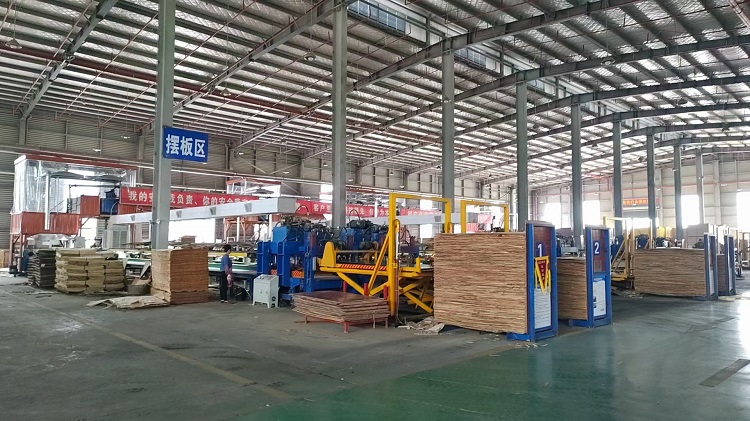
Bothbest is a premier Chinese manufacturer and exporter specializing in high-grade bamboo flooring, bamboo decking, and structural panels. Operating advanced production facilities, Bothbest supplies durable strand-woven solutions to international clients, focusing on extreme material density, sustainable manufacturing processes, and long-lasting exterior performance for residential and commercial spaces.