Choosing a property fence involves balancing curb appeal, installation effort, budget, and long-term performance. Homeowners frequently compare traditional wood fencing with bamboo fencing when searching for natural materials that blend well into landscapes. Both options bring warmth and texture to outdoor spaces, but they respond differently to weather, insects, moisture, and daily wear.
Understanding how bamboo and wood age over time helps you select a material that stands up to local environmental conditions while minimizing maintenance headaches down the road.
Defining the Contenders: Materials and Construction
Before analyzing durability, it helps to understand what these products actually are and how manufacturers turn them into functional privacy barriers.
Bamboo Fencing
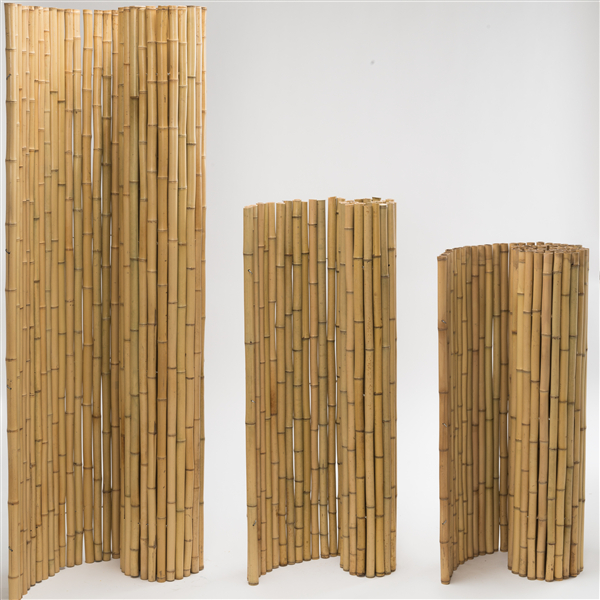
Bamboo is technically a giant grass rather than a hardwood tree. It grows rapidly, reaching full structural maturity in three to five years. For fencing applications, bamboo usually comes in three primary forms:
- Rolled Bamboo Poles: Full bamboo stalks woven together with galvanized steel wire.
- Slat or Strip Fencing: Bamboo poles split into flat strips and bound into flexible panels.
- Engineered Strand-Woven Bamboo: Bamboo fibers compressed under extreme heat and pressure with synthetic resins to create dense, rigid planks similar to composite lumber.
Raw bamboo stalks naturally feature a tough outer silicone skin that protects the inner fibers against water penetration and pest attacks.
Wood Fencing
Wood fencing uses harvested lumber cut from various tree species. Construction typically involves solid posts, horizontal rails, and vertical pickets. Common timber choices include:
- Cedar (Western Red or Eastern White): Valued for natural oils that resist rot and insects.
- Redwood: Known for rich color, stability, and natural decay resistance.
- Pressure-Treated Pine: Softwood chemically treated under high pressure to resist fungal rot and termites.
- Douglas Fir: Strong structural wood that requires extensive treatment or painting to withstand exterior moisture.
Baseline Lifespan: What to Expect
Lifespan estimates vary based on climate, installation quality, and routine care, but average performance timelines give a clear starting point.
Average Lifespan of Bamboo Fencing
- Rolled Bamboo or Slats: 10 to 15 years with basic maintenance.
- Engineered Strand-Woven Bamboo: 20 to 30+ years, performing similarly to high-end hardwoods.
Unsealed bamboo exposed to harsh winters and heavy rainfall may show degradation within 5 to 7 years, while treated bamboo in moderate climates often surpasses 15 years.
Average Lifespan of Wood Fencing
- Pressure-Treated Pine: 15 to 20 years with consistent sealing.
- Cedar: 15 to 25 years under good conditions.
- Redwood: 20 to 30 years with diligent routine care.
- Untreated Softwoods (Spruce or untreated Pine): 4 to 7 years before structural rot sets in.
In straightforward terms: High-grade bamboo paneling rivals premium cedar or redwood, whereas basic rolled bamboo slightly lags behind pressure-treated lumber in raw longevity.
Key Factors Influencing Durability
Durability depends on how well a material resists daily environmental stressors. Comparing bamboo and traditional lumber across key risk factors reveals where each material succeeds or struggles.
Moisture and Rot Resistance
Water is the primary enemy of natural fencing materials. Standing moisture fuels fungal growth, causing wood fibers to soften and rot.
- Bamboo: Natural bamboo possesses a silica-rich shell that sheds rain efficiently. However, if water gets trapped inside the hollow chambers of raw bamboo poles or sits in direct contact with wet soil, moisture pools inside and splits the stalk from within. Ground contact causes rapid decay in raw bamboo.
- Wood: Solid wood absorbs moisture through porous end grains and surface cracks. Softwoods swell when wet and shrink when dry, leading to warping and splitting over time. Pressure-treated wood resists fungal rot effectively, though cedar and redwood rely on natural extractives that gradually leach out over years of rain exposure.
Winner: Tie. Sealed wood handles soil contact better, but bamboo resists surface water absorption more effectively thanks to its silica outer coating.
Insect Infestation
Termites, carpenter ants, and wood-boring beetles attack organic boundary materials, causing hidden structural damage.
- Bamboo: Natural starches inside untreated bamboo attract beetles and termites. Commercial bamboo fences undergo a borate salt bath or boiling process after harvesting to remove starches and make the fibers unpalatable to pests. Properly treated bamboo offers excellent pest resistance.
- Wood: Pressure-treated wood contains copper-based chemical preservatives that deter insects. Cedar and redwood naturally repel bugs, though their effectiveness wanes as the wood ages and weathering opens interior cracks.
Winner: Pressure-Treated Wood. While treated bamboo deters bugs well, pressure-treated lumber offers deeper chemical defense against burrowing insects.
UV Rays and Sun Exposure
Ultraviolet radiation breaks down lignin in plant matter, causing structural graying, surface drying, and cracking.
- Bamboo: Sun exposure causes bright yellow or green bamboo to fade into a light silver-gray patina within a year or two. Extreme sunlight dries out the poles, creating vertical hairline splits along natural grain lines.
- Wood: UV light strips natural color from wood, turning rich cedar or redwood gray. Direct sun causes pickets to warp, cup, and twist as moisture evaporates unevenly from opposite sides of the board.
Winner: Bamboo. While both gray under sunlight, bamboo holds its dimensional shape better than wood pickets, which tend to warp or bow outward.
Structural Strength and Impact Resistance
Wind loads, stray sports balls, and heavy snow drifts test the physical strength of a fence line.
- Bamboo: Bamboo boasts impressive tensile strength, exceeding steel in tensile force resistance per weight unit. Flexible bamboo poles bend with strong wind gusts rather than snapping, making full-length panels resilient against gale-force winds.
- Wood: Solid wood pickets provide high shear strength and rigidity. However, rigid wood posts and rails can snap under heavy wind loads if decay has weakened the base near ground level.
Winner: Bamboo. Its natural flexibility allows it to absorb impacts and survive high winds with less structural snapping.
Maintenance Requirements for Maximum Lifespan
Neither material is maintenance-free. Neglecting regular upkeep drastically cuts expected service life for both options.
Maintaining Bamboo Fencing
- Initial Sealing: Apply an exterior-grade clear sealer or bamboo topcoat containing UV inhibitors right after installation.
- Elevated Installation: Ensure bamboo panels sit 2 to 3 inches off the ground on wooden or metal support frames to prevent soil moisture absorption.
- Caps and Covers: Place decorative caps over the tops of hollow bamboo poles to prevent water from filling internal chambers.
- Annual Cleaning: Clean off dirt and algae using warm soapy water and a soft scrub brush.
- Periodic Resealing: Reapply a protective seal or bamboo oil every two to three years.
Maintaining Wood Fencing
- Staining and Sealing: Apply water-repellent stain or sealant within 30 to 60 days of installation once moisture levels drop.
- Vegetation Trimming: Keep bushes, vines, and grass trimmed back from the fence base to promote air circulation and prevent lingering moisture.
- Fastener Maintenance: Check for loose nails or rusting screws annually, replacing fasteners to maintain structural integrity.
- Power Washing: Lightly pressure-wash wood panels every few years to strip gray surface cells before re-staining.
- Repairs: Replace rotted or split pickets immediately to keep rot from spreading to horizontal rails.
Regional Climate Suitability
Local environmental conditions impact lifespan just as much as material choice.
Wet, Humid Climates
In regions with high humidity and heavy rainfall, pressure-treated wood outlasts basic bamboo poles. Continuous moisture accelerates fungal rot in raw bamboo unless panels sit elevated off wet ground on heavy-duty posts.
Dry, Hot Climates
In arid regions with intense sunshine, bamboo outperforms softwoods. Bamboo tolerates heat well and resists warping. Wood fencing in dry zones often cracks, checks, and curls as intense heat pulls moisture out of the grain.
Cold, Freezing Climates
Sub-zero temperatures pose challenges for both materials. Water trapped inside hollow bamboo poles expands when freezing, causing stalks to split wide open. High-quality cedar or pressure-treated wood handles freeze-thaw cycles better, provided the wood is sealed against surface moisture penetration.
Environmental and Cost Considerations
Evaluating longevity often ties directly into overall value and environmental impact.
Resource Sustainability
Bamboo regenerates quickly. Harvesting bamboo leaves roots intact, allowing new shoots to grow without replanting. Softwood timber takes 15 to 30 years to mature, while cedar trees take decades longer. Choosing bamboo reduces pressure on forest ecosystems.
Cost vs. Value Over Time
- Initial Cost: Rolled bamboo is often cheaper upfront than built-from-scratch wood privacy fences. Engineered bamboo planks cost more upfront than pressure-treated pine, landing near the price point of premium clear cedar.
- Long-Term Value: Pressure-treated pine offers low upfront costs but requires frequent staining and eventual board replacement. Engineered strand-woven bamboo or high-end cedar cost more initially but deliver decades of service with modest maintenance, lowering overall lifetime cost per year.
Practical Tips to Extend Fence Service Life
Regardless of the material you choose, strategic installation choices maximize longevity:
- Use Metal or Concrete Posts: Avoid sinking raw bamboo or untreated wood posts directly into dirt. Mount panels onto galvanized steel posts or pressure-treated wood posts set in concrete footings with gravel drainage bottoms.
- Maintain Ground Clearance: Leave a clear gap between the bottom of the fence panels and the soil or lawn surface.
- Direct Sprinklers Away: Ensure automated lawn irrigation systems do not spray fence panels directly during watering cycles.
- Apply Quality Finishes: Invest in marine-grade or premium exterior sealers with built-in UV blockers and water repellents.
Making the Final Decision
When asking which fencing material lasts longer, the answer depends on the specific product grade and installation methods used:
- Basic Bamboo Poles vs. Basic Wood: Pressure-treated pine lumber outlasts rolled bamboo fencing, especially in damp environments with direct soil contact.
- High-Grade Timber vs. Engineered Bamboo: Engineered strand-woven bamboo panels match or exceed the 25-plus-year lifespan of premium cedar and redwood, offering superior resistance to twisting and warping.
If you live in an arid, sunny region or want a rapidly renewable material with strong wind resistance, high-quality bamboo is a durable, eye-catching option. If you reside in a freezing, wet climate and need direct soil contact or heavy structural privacy, traditional pressure-treated wood or cedar remains a reliable workhorse for home perimeter protection.