
Global supply chains face unprecedented pressure to replace traditional plastics and timber-based paper products with alternatives that lower environmental impacts without sacrificing structural performance. For decades, single-use polystyrene, poly-bags, and corrugated cardboard dominated retail logistics, e-commerce fulfillment, and consumer product distribution. However, tightening environmental regulations, landfill saturation, and shifting consumer expectations have forced packaging engineers to look toward fast-growing botanical materials.
Among renewable feedstocks, bamboo has moved from a niche material used in artisan crafts to a major commercial contender across primary, secondary, and tertiary packaging applications. Evaluating the material properties, agricultural yields, processing advancements, and lifecycle benefits of bamboo clarifies why it continues to gain market share in sustainable packaging.
The Ecological and Yield Advantages of Bamboo Feedstock
Understanding why bamboo outperforms traditional timber options begins in the soil. Bamboo is a fast-growing woody grass rather than a hardwood tree, a botanical distinction that confers significant industrial and agricultural advantages.
Accelerated Growth and Harvesting Cycles
Hardwood trees such as oak, birch, or maple require thirty to sixty years to reach harvestable maturity for commercial lumber or paper pulp production. Softwoods like pine grow slightly faster, requiring fifteen to twenty-five years. Bamboo reaches full structural maturity within three to five years.
Certain species, such as Moso bamboo, can grow up to three feet in a single twenty-four-hour period during peak growing seasons. This rapid regeneration cycle allows commercial growers to harvest stalks annually from the same grove without depleting the crop or waiting decades for replanted saplings to mature.
Root Preservation and Soil Integrity
Harvesting traditional timber involves felling the entire tree and removing or disrupting the root system, which leaves soil vulnerable to heavy erosion, nutrient leaching, and topsoil loss. Bamboo harvesting takes a completely different approach.
Workers harvest individual mature stalks while leaving the subterranean rhizome network completely intact. This vast underground root matrix holds the topsoil together, prevents water runoff, and continuously pushes up new shoots every spring. Because the root system remains alive, bamboo plantations require no replanting, no soil tilling, and zero heavy soil preparation between harvest cycles.
Land-Use Efficiency and Resource Requirements
Per acre, bamboo produces up to four times the usable fiber volume of standard pine plantations. This spatial efficiency allows manufacturers to generate high volumes of packaging raw materials on smaller parcels of land, reducing agricultural pressure on primary forests.
Furthermore, commercial bamboo species thrive on natural rainfall without requiring artificial irrigation systems, synthetic fertilizers, or heavy chemical pesticides. Its natural silica content and dense fiber structure deter most agricultural pests naturally, minimizing chemical runoff into nearby water systems.
Fiber Characteristics and Physical Performance
A common misconception is that bio-based packaging materials are inherently weaker or less durable than synthetic plastics or traditional wood pulp. Material testing demonstrates that bamboo fibers offer physical characteristics that rival or exceed conventional options.
High Tensile and Compression Strength
Bamboo fibers boast an exceptional strength-to-weight ratio. The natural tensile strength of raw bamboo fibers rivals that of structural steel per unit of weight, while its axial compressive strength exceeds that of concrete.
When processed into pulp and molded into packaging trays, shipping buffers, or rigid boxes, bamboo fibers create tight, interwoven matrices that resist tearing, puncturing, and crushing during handling and transit.
Moisture Resistance and Barrier Properties
Raw bamboo stalks feature a hard, silica-rich outer dermal layer that naturally repels water and resists moisture penetration. While pulping processes break down the raw stalk, residual silica and dense natural lignins provide processed bamboo paper and molded pulp with inherently higher moisture resistance than standard softwood paperboard.
This characteristic makes bamboo packaging particularly suitable for cold-chain food transport, cosmetics containers, and electronics shipping, where humidity control is essential.
Thermal and Mechanical Stability
Unlike many bio-plastics (such as un-modified PLA) that soften or deform under moderate heat during shipping containers or summer storage, bamboo fiber products remain dimensionally stable across wide temperature ranges. They do not melt under heat or become brittle under freezing conditions, making them reliable choices for international freight spanning diverse climate zones.
Primary Processing Formats in Packaging
Manufacturers convert raw bamboo stalks into several functional packaging formats tailored to different product categories and protective requirements.
Molded Bamboo Fiber (Thermoformed Pulp)
Molded fiber technology has evolved significantly from basic egg cartons. Raw bamboo is mechanically pulped, mixed with water, and pressed into high-precision aluminum molds under heat and hydraulic pressure.
The resulting thermoformed trays feature smooth surfaces, precise contours, and rigid walls. Tech companies and luxury cosmetics brands frequently use thermoformed bamboo pulp to replace expanded polystyrene (EPS) inserts and thermoformed plastic trays.
Corrugated Bamboo Paperboard
Bamboo pulp can be processed through standard paper machinery to form linerboard and fluting mediums for corrugated shipping boxes. Blending bamboo fibers into standard recycled paper streams increases the bursting strength and edge-crush test (ECT) ratings of corrugated boxes, allowing logistics companies to use thinner, lighter box walls without compromising stacking strength.
Bamboo Veneer and Rigid Containers
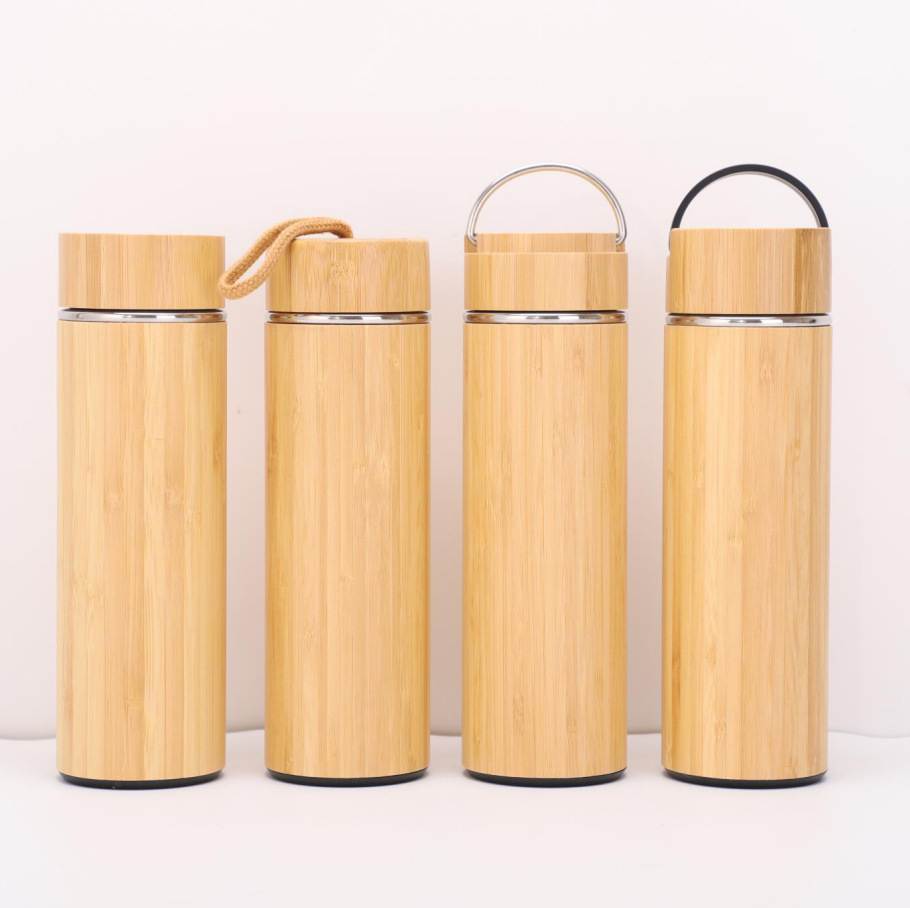
For luxury retail packaging, wine boxes, and premium gift sets, thin slices of natural bamboo stalks are laminated together to create lightweight, rigid wooden boxes. These containers offer a premium tactile feel, elegant grain patterns, and structural permanence, encouraging consumers to reuse the box rather than discarding it after opening.
Flexible Bamboo Fabrics and Wraps
Fine bamboo fibers can be spun into non-woven fabrics or flexible woven wraps. These soft textiles serve as protective anti-scratch sleeves for luxury eyewear, jewelry, fine leather goods, and high-end consumer electronics during transit, replacing synthetic polyester or poly-polypropylene dust bags.
Industry Adoption across Key Market Sectors
Different commercial sectors utilize bamboo packaging to address distinct operational challenges and branding goals.
Consumer Electronics
Electronics manufacturers require protective packaging that prevents impact damage, resists static electricity, and fits intricate product shapes closely. Molded bamboo pulp inserts provide tight tolerances, precise cutouts for cables and accessories, and high drop-test performance, allowing brands to eliminate plastic foam blocks completely from retail boxes.
Cosmetics and Personal Care
The beauty sector prioritizes high-end aesthetics alongside environmental performance. Bamboo offers an attractive natural finish for lipstick tubes, compact cases, cream jars, and outer cartons. Laser engraving on bamboo surfaces allows cosmetics companies to apply clear logos and detailed typography directly onto primary packaging without relying on plastic stickers or synthetic inks.
Food and Beverage Service
Single-use food containers, coffee lids, salad bowls, and cutlery sets represent a massive segment of single-use plastic waste. Molded bamboo fiber performs exceptionally well in food-contact applications. It handles hot liquids and oils without disintegrating, fits tightly around container rims, and provides a neutral taste profile that does not alter food flavors.
E-Commerce and Parcel Delivery
E-commerce fulfillment centers require lightweight, durable interior cushioning to prevent shipping damage. Shredded bamboo paper, expandable bamboo honeycomb wraps, and molded bamboo corner protectors replace bubble wrap and plastic air pillows, reducing parcel volume while maintaining high protection levels.
End-of-Life Performance and Circular Economy Integration
The true test of any sustainable packaging material lies in its disposal phase. Bamboo offers multiple clean end-of-life pathways that integrate into existing waste management infrastructure.
Rapid Industrial and Home Composting
Uncoated bamboo fiber packaging decomposes completely in commercial composting facilities within 60 to 90 days, returning organic carbon and natural nutrients to the soil. Many molded bamboo products also break down efficiently in backyard home compost setups without requiring high-temperature industrial processing.
Biodegradability without Microplastics
When synthetic plastics break down in landfills or natural environments, they fragment into microscopic plastic particles that contaminate water systems and agricultural soils. Bamboo is a 100% organic cellulose material. If a bamboo packaging tray accidentally enters natural waterways or terrestrial environments, microorganisms digest the natural fibers completely, leaving zero toxic chemical residues or microplastic fragments behind.
Recyclability in Standard Paper Streams
Uncoated bamboo paperboard and corrugated boxes can be placed directly into standard municipal paper recycling bins. The long, resilient bamboo fibers can be repulped and recycled alongside standard wood-pulp paper products multiple times without clogging paper recycling machinery.
Best Practices for Implementing Bamboo Packaging
Companies transitioning from legacy materials to bamboo packaging should follow clear technical steps to ensure supply chain compatibility:
-
Evaluate Density and Wall Thickness: Work with packaging engineers to test different thermoformed pulp densities to achieve required drop-test protection while minimizing overall package size.
-
Check Coating Compatibility: If grease or water barriers are necessary for food contact, specify bio-based, fluorocarbon-free water coatings (such as aqueous coatings) to preserve home compostability.
-
Optimize Surface Decoration: Utilize laser engraving, blind debossing, or soy-based inks for surface branding to maintain clean end-of-life recycling and composting pathways.
-
Audit Supply Sources: Partner with manufacturers who harvest mature bamboo from responsibly managed groves to ensure consistent fiber quality and sustainable land stewardship.
Summary
Replacing petroleum-derived plastics and slow-growing timber with renewable materials is essential for building resilient, low-impact global supply chains. Bamboo meets this demand by combining rapid agricultural regeneration, exceptional tensile strength, versatile manufacturing formats, and clean biological decomposition.
Whether deployed as thermoformed cushioning for delicate electronics, structural corrugated packaging for e-commerce, or elegant rigid containers for consumer goods, bamboo provides a proven, high-performance foundation for modern packaging design.