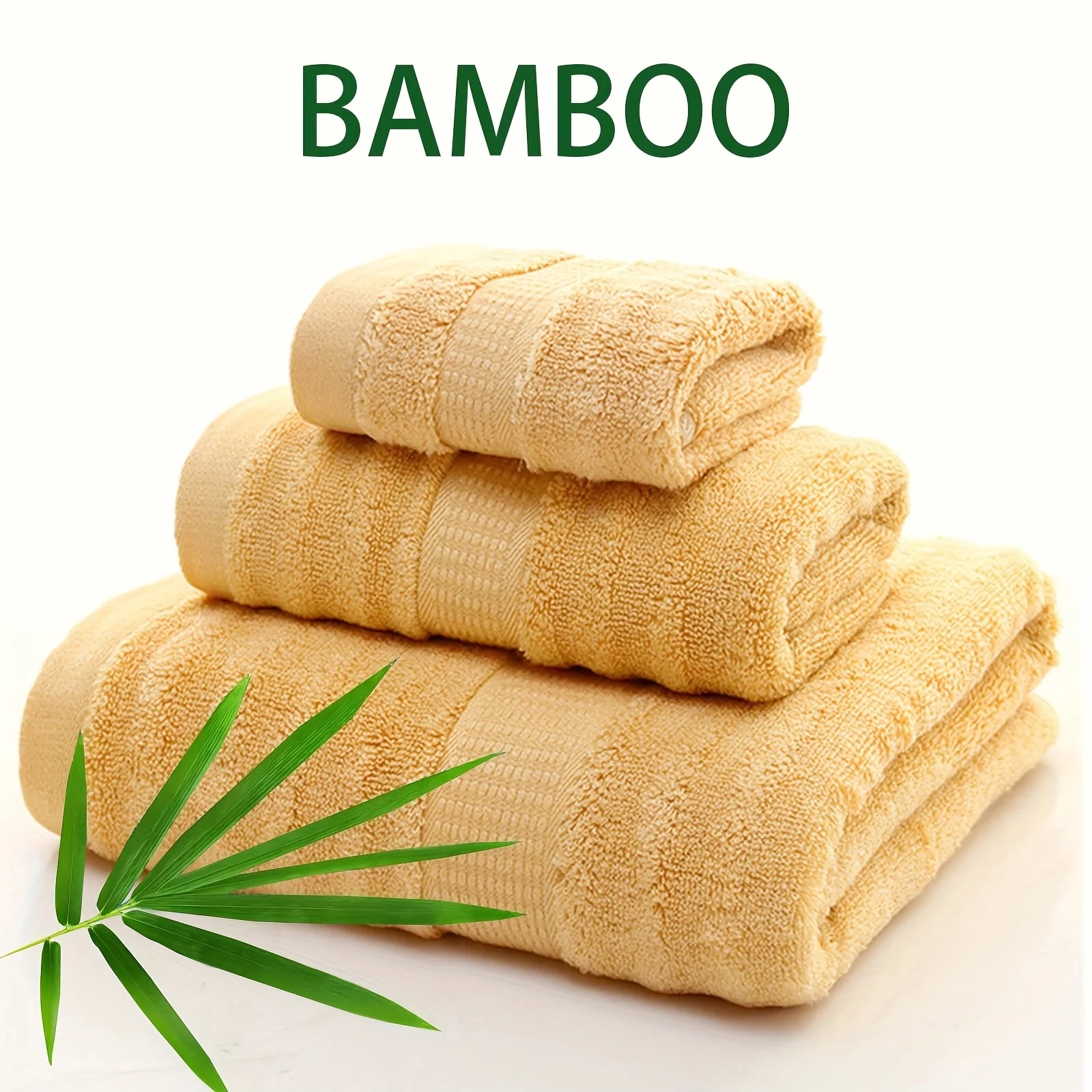
When searching for everyday household linens, towels are among the most frequently used items in any bathroom. They directly touch sensitive skin, absorb daily moisture, and endure repeated washing cycles. While traditional cotton has dominated bathroom shelves for decades, textiles woven from bamboo fiber have established a permanent position in modern homes.
Understanding what makes bamboo towels different requires looking beyond simple store displays. Examining fiber characteristics, absorbency mechanisms, skin interaction, and long-term durability shows why these textiles offer distinct performance benefits for everyday living.
Understanding Bamboo Fiber Production
To evaluate the performance of bamboo towels, it helps to understand how a rigid, woody stalk becomes a soft, pliable bath linen. Bamboo fiber used in textiles generally falls into two manufacturing processing categories.
Mechanical Processing
Mechanically processed bamboo, often called bamboo linen, involves crushing the woody stems of the plant and using natural enzymes to break down the walls into a spun yarn. This process preserves the raw natural structure of the fiber. It yields a sturdy, slightly textured fabric similar to traditional linen. While durable, mechanically processed bamboo is labor-intensive and yields a firmer texture rather than the silky softness associated with plush bath towels.
Chemical or Viscose Processing
The vast majority of plush bamboo bath towels are crafted using a regenerated cellulose process. Bamboo stalks are dissolved into a cellulose solution and extruded through fine nozzles to form smooth, long continuous threads. This method creates a uniform, micro-porous filament that possesses exceptional softness, high drape, and remarkable liquid retention capacity.
When woven into Terry loops, these micro-porous threads trap air and water efficiently, creating the characteristic silky feel that sets bamboo bath linens apart.
Superior Absorbency and Moisture Absorption
One of the most noticeable functional advantages of bamboo fiber towels is how quickly they absorb water from the skin.
Micro-Porous Fiber Structure
Under a microscope, bamboo cellulose fibers reveal countless tiny micro-gaps and micro-holes. This porous internal cross-section acts like a natural sponge. Instead of simply pushing water around on the surface of the skin, bamboo loops pull liquid inward through capillary action.
Speed of Moisture Capture
Because of this capillary network, a bamboo towel requires minimal rubbing to dry off after a shower. Placing the fabric against wet skin causes immediate water transfer. This rapid absorption makes bamboo towels especially practical for people who want to minimize friction against delicate skin or hair cuticles.
Water Retention Capacity
Bamboo fibers can hold up to three to four times their weight in water without dripping instantly. This makes even thinner bamboo towels perform well during heavy use, ensuring the fabric stays functional throughout an entire drying session.
Unmatched Softness and Skin Comfort
Skin sensitivity is a primary reason many households switch from traditional cotton or synthetic blends to bamboo textiles.
Rounded Fiber Surfaces
Cotton fibers often feature natural twists, rough spurs, and uneven ends that can feel stiff or abrasive, especially after multiple laundry cycles without fabric softeners. Bamboo filaments, by contrast, are smooth and round. The lack of sharp fiber ends means the fabric glides over skin without causing friction or irritation.
Gentle on Sensitive Skin Conditions
For individuals dealing with eczema, psoriasis, rosacea, or seasonal skin dryness, friction from rough towel loops can trigger redness and inflammation. The sleek texture of bamboo fiber provides a gentle wiping experience that reduces mechanical irritation.
Hair Care Advantages
Rough bath towels can lift and damage the outer hair cuticle, leading to frizz, split ends, and breakage when drying wet hair. The smooth surface of bamboo loops allows hair to dry naturally without harsh friction, preserving moisture and shine in delicate hair strands.
Natural Odor Resistance and Hygiene
Bathrooms are notoriously damp environments where towels often struggle to dry completely between uses. Dampness creates an ideal environment for bacteria and mildew to thrive, leading to that familiar sour smell in used towels.
Moisture Dispersion and Quick Drying
Although bamboo holds a high volume of liquid, its thin, porous fiber structure allows moisture to evaporate efficiently when hung in a well-ventilated space. Quick drying prevents stagnant water from sitting in the base of the towel loops, which significantly reduces the buildup of lingering damp smells.
Breathability
The openness of bamboo fiber weaves promotes air circulation throughout the core of the towel. Air movement helps flush out trapped humidity, keeping the towel fresher for longer periods between laundry days compared to dense, heavy cotton weaves.
Thermal Comfort and Breathability
While bath towels are primarily used for drying, hand towels and bath sheets frequently wrap around the body for extended periods. Bamboo fiber exhibits natural thermal management that improves user comfort.
Cool to the Touch
Bamboo fabric possesses a high thermal conductivity rate, giving it a cool-to-the-touch sensation upon initial contact. Wrapping up in a bamboo bath sheet after a hot shower provides a soothing, temperature-neutral feel rather than trapping uncomfortable heat.
Air Permeability
The fine structure of bamboo filaments creates a lightweight, breathable material. Even high-density, heavy-weight bamboo towels allow air to pass through, preventing that stuffy, heavy feeling common with thick synthetic microfiber options.
Sustainability and Environmental Profile
Beyond personal comfort, the raw material source offers significant ecological advantages compared to traditional textile crops.
Fast Growth Cycle
Bamboo is one of the fastest-growing woody plants on the planet. Certain species can grow several feet within a single twenty-four-hour period. A bamboo crop reaches full harvest maturity within three to five years, whereas timber trees take decades to replace.
Minimal Resource Inputs
-
Water Efficiency: Bamboo thrives primarily on natural rainfall, requiring significantly less artificial irrigation than commercial cotton crops.
-
No Chemical Pesticides: The bamboo plant possesses natural defense mechanisms that deter most agricultural pests. Commercial cultivation requires little to no synthetic pesticides or chemical fertilizers.
-
Soil Preservation: Harvesting bamboo involves cutting the stalks near the ground while leaving the root system intact. The remaining root matrix stabilizes soil structures, preventing erosion on slopes and allowing immediate regrowth without soil tilling.
Comparing Bamboo Towels with Other Popular Materials
To put bamboo fiber in context, it helps to review how it performs alongside other common towel choices.
Bamboo vs. Traditional Cotton
Standard upland cotton is affordable and widely available, but it can turn stiff over time as hard water minerals build up in the fibers. Egyptian and Turkish cottons offer great plushness and durability, but they require high energy during washing and can take a long time to air dry completely. Bamboo matches premium cotton in softness while drying faster and offering greater initial absorbency.
Bamboo vs. Microfiber
Microfiber towels made from polyester and polyamide absorb water quickly and dry fast, but they are synthetic petroleum products. Microfiber can feel grabby on rough skin, traps oils that create long-term odors, and sheds microplastics during wash cycles. Bamboo offers a natural alternative that absorbs water effectively without shedding synthetic microfibers into local waterways.
Bamboo-Cotton Blends
Many manufacturers combine bamboo fibers with long-staple cotton (such as a 60/40 or 50/50 blend). This hybrid construction merges the silky softness and rapid absorbency of bamboo with the structural rigidity and tear resistance of cotton, resulting in a balanced towel that stands up well to commercial laundering.
Essential Care Guide for Long-Lasting Softness
To maintain the absorbency and plush texture of bamboo fiber towels over years of use, proper laundering technique is essential.
Washing Temperature and Detergents
-
Use Gentle Cycles: Wash bamboo towels on a gentle or normal cycle using cool or warm water. Avoid extremely hot water, which can shrink cellulose fibers.
-
Mild Liquid Detergents: Choose a gentle, liquid laundry detergent free from heavy optical brighteners or bleach.
-
Avoid Chlorine Bleach: Bleach weakens cellulose filaments, causing the towel loops to break down prematurely and lose structural strength.
Skipping Fabric Softeners
Liquid fabric softeners and dryer sheets coat fibers with a thin layer of hydrophobic wax. While this makes stiff cotton feel softer temporarily, it clog the micro-pores of bamboo fibers, drastically reducing their ability to absorb water. Thanks to the natural smoothness of bamboo filaments, fabric softeners are completely unnecessary.
Drying Recommendations
-
Line Drying: Air drying in a shaded area with good airflow maintains fiber integrity best. Avoid hanging bamboo towels in direct, harsh sunlight for extended periods to prevent fibers from drying out excessively.
-
Tumble Drying: If using a clothes dryer, select a low heat or delicate air-dry setting. Remove towels promptly once dry to prevent heat stress on the seams and hem borders.
Handling Snags and Loose Loops
Because bamboo thread is smooth, a sharp ring or fingernail can occasionally snag a loop. If a snag appears, simply cut the pulled loop flush with the surface of the towel using sharp scissors. Do not pull the thread. Because woven towels interlock threads, trimming a snagged loop will not cause the surrounding fabric to unravel.
Practical Applications Around the Home
The physical qualities of bamboo fiber make it versatile for multiple household applications beyond basic bath sheets:
-
Face Cloths and Makeup Removal: The ultra-soft surface cleanses skin gently without irritating sensitive eye areas.
-
Hair Wraps: Lightweight bamboo towels securely wrap damp hair without dragging down the neck or damaging wet hair strands.
-
Gym and Travel Towels: High absorbency paired with quick drying speeds makes compact bamboo towels ideal for athletic bags and travel kits.
-
Baby Care: The smooth texture and gentle touch suit infant skin, reducing diaper area irritation after baths.
Summary
Choosing bath linens involves balancing personal comfort, daily functionality, and product maintenance. Bamboo fiber towels deliver a compelling combination of rapid moisture absorption, exceptional skin-friendly softness, natural breathability, and quick drying times. By following simple care practices and avoiding harsh chemical treatments, bamboo towels serve as a durable, comfortable addition to modern home spaces.