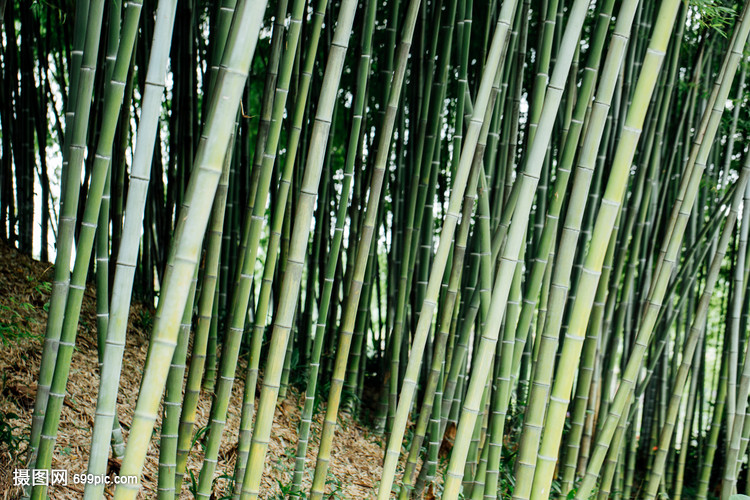
Bringing houseplants into living spaces, office receptions, and commercial interiors has become a standard approach for improving indoor aesthetics and creating a welcoming atmosphere. Among the wide selection of indoor greenery available at garden centers, nurseries, and floral shops, Dracaena sanderiana remains one of the most popular choices. Frequently marketed under the common name lucky bamboo, this resilient tropical plant is widely appreciated for its clean lines, slender stems, and decorative arrangements. Despite its botanical name and visual resemblance to true bamboo, Dracaena sanderiana is actually a member of the Asparagaceae family, native to tropical West Africa. Its popularity stems from its ability to thrive in low-light indoor environments and grow directly in water containers without soil.
Selecting the right stalks when purchasing Dracaena sanderiana makes all the difference between a long-lasting, vibrant arrangement and a plant that deteriorates shortly after you bring it home. While these plants are known for their hardiness, individual stalks can harbor hidden diseases, rot, pest infestations, or structural weaknesses caused by improper care during transit or retail display. Knowing what specific physical traits to examine allows plant enthusiasts, interior decorators, and retail buyers to select robust specimens that will flourish for years.
When evaluating Dracaena sanderiana at a store or wholesaler, the primary focus should always be on stem condition and overall firmness. A healthy stalk features a uniform, bright green color along its entire length. Touch the stem gently from the base near the root line up to the top node where new foliage shoots emerge. The cane should feel firm, plump, and dense to the touch. Avoid any stalks that feel soft, spongy, or wrinkled, as these physical symptoms indicate severe dehydration, internal tissue decay, or fungal root rot. Tissue breakdown inside the stem often spreads quickly throughout an entire arrangement, causing neighboring stalks to collapse.
Color variations on the stem provide clear visual clues regarding the health of the plant. A pale, faded green stem suggests the plant has been kept in complete darkness for an extended period or suffers from nutrient deficiencies. Conversely, yellowing along the main stem is a serious warning sign. Yellowing usually signals irreversible cellular breakdown caused by overwatering, poor drainage, excessive chemical exposure, or bacterial infections. Once a Dracaena sanderiana stem turns yellow, that section of the stalk cannot recover or regain its green color. If yellowing extends near the roots or middle nodes, the entire stalk should be rejected immediately.
In addition to firmness and stem coloration, inspecting the node lines and top cuts is essential. Dracaena sanderiana grows in segmented sections marked by ring-like nodes along the cane. Retail growers often trim the main stem at a specific height and seal the top cut with paraffin wax to seal in moisture and prevent fungal pathogens from entering the raw cut. Check that this wax seal remains intact, smooth, and free of cracks. If the wax coating has peeled off, cracked, or melted away, airborne mold or bacteria can colonize the exposed tip, causing top-down stem decay. Look closely at the top nodes to ensure new green leaves or side shoots are sprouting cleanly from the nodes without blackened margins or soggy growth points.
Evaluating the root system gives you deep insight into how well the plant was rooted and maintained prior to sale. Dracaena sanderiana stalks are typically displayed either standing in shallow water containers or potted in well-draining soil mixes. For water-grown stalks, lift the plant carefully to examine the root bundle at the base. Healthy, actively growing roots exhibit a reddish-orange or light brownish-pink color. A rich network of bright orange roots indicates a well-established plant with efficient nutrient absorption capacity. White root tips signal new root growth, which is also a positive sign of plant vitality.
Avoid stalks with roots that appear dark brown, black, slimy, or stringy. Blackened or mushy roots are a clear manifestation of root rot caused by stagnant water or anaerobic bacterial activity. Gently smell the root area or the water in which the stalks are sitting. Fresh, healthy root systems produce a neutral or earthy scent. A sour, foul, or swampy odor indicates stagnant water and decaying organic material, which will compromise the long-term survival of the stalks even if the upper foliage still looks green.
Leaf health provides another critical indicator of overall vigor. Examine the leaves sprouting from the top nodes of each stalk. Healthy leaves should display a vivid, vibrant green hue with a smooth, glossy surface texture. The foliage should grow upright or arch outward gracefully from the stem node. Inspect both the upper surfaces and undersides of the leaves for signs of physical stress, mechanical damage, or pest infestations. Brown leaf tips are relatively common in retail settings and usually result from low atmospheric humidity, exposure to fluoridated tap water, or excessive chemical fertilizers. While minor brown tips can be trimmed neatly with clean shears, extensive browning, yellowing leaf blades, or curling leaves indicate chronic root stress or poor environmental adaptation.
Watch out for hidden pests that tend to shelter in the crevices between leaf sheaths and the main stem. Spider mites, mealybugs, and scale insects frequently attack indoor Dracaena species. Mealybugs appear as tiny, white, cotton-like masses nestled tightly in the leaf joints. Spider mites are difficult to spot individually, but they leave fine, delicate webbing along the undersides of leaves and cause a speckled, dull yellow appearance on the foliage. Scale insects look like small, oval, brownish bumps adhering firmly to stems or leaf veins. Purchasing pest-infested stalks risks introducing unwanted insects into your home or commercial plant collections.
Water quality and container cleanliness at the retail site also influence the long-term health of lucky bamboo. When buying stalks kept in water, inspect the clarity of the water in the store display. Clean, clear water free of floating debris, algae growth, or foul odors shows that the seller maintains proper hygiene practices. Stagnant, cloudy water filled with fallen leaves or decayed root fragments promotes bacterial bloom, which can infect healthy stalks through micro-wounds in the lower stem. If you are selecting individual unrooted or lightly rooted stalks to create custom arrangements, select stalks with clean base cuts that have not split, crushed, or turned black.
For buyers interested in styled arrangements, such as spiral stalks, braided towers, or woven lattice designs, pay close attention to structural balance and flexibility. Spiral stalks are created by growers who slowly rotate the plant relative to a light source over many months. When choosing spiral or woven designs, verify that the bends are smooth, uniform, and free of sharp creases or cracks in the stem surface. Cracks along a curved section create entry points for opportunistic pathogens and disrupt the internal vascular pathways that transport water and nutrients to upper shoots. Ensure that all stalks bundled together in a complex tower share similar stem thickness, color intensity, and foliage development so that no single stalk gets crowded out or starves for light.
Transporting your chosen Dracaena sanderiana stalks safely from the store to your home or office is the final step in securing a healthy plant. Protect the stalks from extreme temperature fluctuations during transport. Cold winter drafts or intense direct sunlight inside a hot vehicle can cause sudden thermal shock, leading to rapid leaf loss or stem collapse. Wrap the lower roots or stem bases in damp paper towels and place the plants inside a protective bag during transit to maintain moisture levels.
Once you arrive at your destination, place the stalks in a clean glass vase or ceramic container filled with filtered, distilled, or rain water. Avoid using hard tap water directly from the faucet, as chlorine, chloramines, fluorine, and dissolved mineral salts can cause leaf tip burn over time. Position the container in a location that receives bright, indirect natural light, away from direct midday sun, air conditioning vents, and heating radiators. Change the water every seven to ten days, rinsing the container thoroughly to prevent algae growth and maintain clean oxygen levels for the roots.
Taking the time to systematically inspect stem firmness, root color, foliage condition, and overall container hygiene guarantees that your Dracaena sanderiana arrangement will remain healthy, resilient, and visually appealing for a long time to come. Whether used as a simple decorative accent on a desk or as an elaborate focal point in a modern living space, healthy lucky bamboo stalks bring lasting green beauty to any indoor setting.
Bothbest is a professional factory and supplier of high-quality bamboo flooring and bamboo decking based in China. With advanced manufacturing technology, rigorous quality control, and decades of industry experience, Bothbest supplies durable, eco-friendly strand-woven bamboo materials to distributors, contractors, and architectural projects across global markets worldwide.