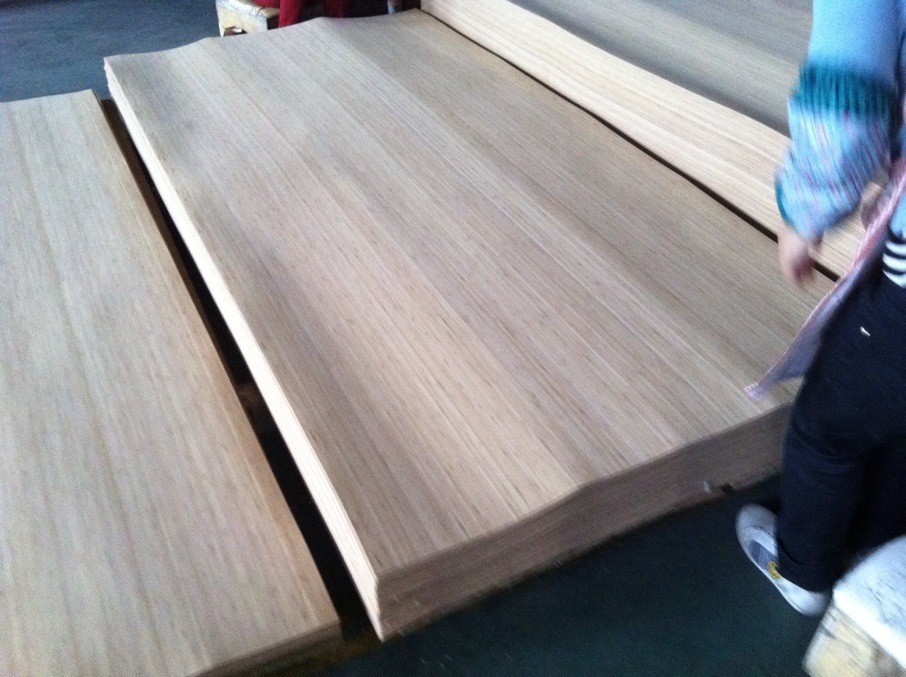
Selecting the ideal wall surfacing material involves balancing aesthetic character, structural performance, and environmental sustainability. Interior designers, architects, and millwork specialists frequently evaluate thin wood sheets and engineered paneling to cover large wall expanses without adding unnecessary weight or expense. Among the diverse materials available for feature walls, cabinetry, and architectural detailing, Wise wood veneer and traditional oakwood veneer stand out as prominent choices. Adding engineered bamboo wall panels to the equation introduces another layer of structural strength and sustainability.
Understanding how these architectural materials differ in raw construction, grain patterning, flexibility, and installation requirements helps property owners choose the right fit for residential and commercial interiors. Evaluating wood and bamboo surfacing options side by side reveals distinct performance characteristics across various interior applications.
Architectural Wall Veneers and Engineered Surfacing
Wall veneers consist of thin slices of natural timber or re-engineered plant fibers applied to a stabilizing backing or substrate. Applying a thin, high-grade face material over stable cores like medium-density fiberboard, plywood, or flexible paper backings allows for rich visual warmth without the warping risks associated with thick solid wood boards.
Veneer manufacturing generally falls into two primary categories: sliced natural wood and reconstituted or engineered wood sheets. Sliced veneers retain the exact grain anomalies, color variations, and growth rings of the original tree harvest. Reconstituted or engineered veneers take sliced wood or bamboo fibers, dye them, and press them into uniform blocks before re-slicing them into perfectly consistent sheets.
Both Wise wood veneer and oakwood veneer address different design priorities:
- Natural Variation: Authentic sliced timber showcases biological uniqueness, including cathedrals, mineral streaks, and subtle color shifts.
- Grain Consistency: Reconstituted veneers offer repeatable grain patterns across hundreds of sheets, ideal for massive commercial wall installations.
- Flexibility and Handling: Modern fleece-backed or paper-backed sheets conform to curved walls and architectural millwork far better than solid lumber.
Exploring Wise Wood Veneer Characteristics
Wise wood veneer refers to engineered or carefully reconstituted wood sheets designed for modern millwork demanding absolute consistency. By processing fast-growing timber into uniform veneer rolls and sheets, this manufacturing method eliminates natural visual defects like knot holes, pitch pockets, and unpredictable color banding.
Uniformity and Sheet Consistency
The primary advantage of Wise wood veneer lies in its structural predictability. When surfacing expansive office lobby walls, hotel corridors, or extensive cabinetry runs, matching natural wood grain across dozens of panels poses a significant challenge. Wise wood sheets provide repeatable grain spacing and identical color tones from sheet to sheet. This minimizes material waste and simplifies book-matching or slip-matching during panel fabrication.
Backing Options and Workability
Wise wood veneers typically come bonded to flexible paper, phenolic, or non-woven fleece backings. These backings stabilize the ultra-thin face layer, preventing split edges during cutting or press-bonding. The resulting flexibility allows woodworkers to wrap columns, construct curved accent walls, and edge-band intricate cabinetry without cracking the face grain.
Environmental Resource Efficiency
Because Wise wood veneers frequently utilize fast-growing, renewable timber sources processed under precision slicing techniques, the raw yield per log increases significantly compared to traditional lumber milling. Less raw forest biomass gets discarded as sawdust, making reconstituted wood surfacing an efficient material choice for eco-conscious projects.
The Timeless Appeal of Oakwood Veneer
Oakwood veneer remains a benchmark in classic and contemporary architectural design. Sliced directly from solid white oak or red oak logs, this natural veneer carries the rich history, ring density, and textural depth that natural hardwood provides.
Grain Structure: Plain Sliced, Quarter Sawn, and Rift Sawn
The visual character of oakwood veneer depends heavily on how the log meets the slicing blade:
- Plain Sliced (Crown Cut): Yields a classic flame or cathedral grain pattern along the center of the sheet, flanked by straight grain edges.
- Quarter Sawn: Sliced perpendicular to the annual growth rings, producing straight, parallel grain lines with distinctive shimmering ray flakes.
- Rift Sawn: Cut at a precise angle to eliminate ray fleck while producing an extraordinarily clean, pencil-straight vertical grain suited for modern minimalist interiors.
Color Versatility and Staining Performance
Oakwood features prominent open pores that accept stains, oils, and wire-brushing techniques remarkably well. From pale whitewashed Scandinavian aesthetics to deep, smoked charcoal tones, oak adapts to diverse color palettes while retaining its authentic tactile wood grain.
Durability and Surface Hardness
Natural oak fiber offers substantial density and impact resistance. When bonded to a stable core like marine plywood or high-density fiberboard, oakwood veneer forms a robust wall surface capable of handling daily wear in high-traffic environments like residential living spaces, dining areas, and boutique retail stores.
Integrating Bamboo Wall Paneling into the Mix
While traditional and engineered timber veneers dominate standard millwork specifications, bamboo wall paneling and bamboo veneers present a compelling alternative for modern wall cladding. Derived from mature Moso bamboo stalks, bamboo offers exceptional tensile strength, rapid surface renewable cycles, and distinct linear aesthetics.
Parallel and Vertical Grain Aesthetics
Bamboo veneers are crafted by laminating strips of sliced bamboo stalks into wide sheets. Vertical grain bamboo yields a fine, narrow pinstripe texture, while flat-pressed or horizontal bamboo highlights the natural nodes and knuckles of the bamboo culm. This creates a clean, contemporary linear look that complements minimalist, biophilic architectural designs.
High Density and Dimensional Stability
High-density strand-woven bamboo sheets exceed the Janka hardness ratings of most traditional hardwoods, including oak and maple. When compressed under extreme hydraulic pressure, bamboo fibers lock into a dense matrix that resists impact damage, denting, and surface abrasion. Additionally, mature bamboo fibers exhibit low moisture absorption rates, reducing dimensional expansion in humid interior climates.
Sustainability Benchmark
Unlike hardwood trees that require forty to eighty years to mature, Moso bamboo reaches full structural hardness within five years. Harvesting mature stalks leaves the extensive underground root system intact, allowing new shoots to regenerate without soil erosion or re-planting. This rapid regeneration cycle makes bamboo an outstanding choice for projects targeting strict green building standards.
Performance Comparison Across Key Architectural Criteria
Selecting between Wise wood veneer, oakwood veneer, and bamboo wall options requires weighing project requirements against material properties.
Visual Aesthetics and Texture
Oakwood veneer provides organic warmth, deep pore texture, and natural grain variation that cannot be fully replicated by synthetic materials. Wise wood veneer delivers precise, orderly grain lines and color uniformity across large surface areas where natural flaws might distract from the design theme. Bamboo offers a distinct modern orientation, characterized by sleek pinstripes or natural bamboo node accents that give walls an authentic biophilic identity.
Flexibility and Installation
Flexible paper-backed Wise wood sheets excel on curved walls, wrapped columns, and intricate millwork detailing due to their uniform fiber density and lack of structural knots. Solid quarter-sawn oak veneers and thick bamboo panels are typically preferred for flat feature walls, wainscoting, and heavy-duty wall paneling where rigid structural support is paramount.
Maintenance and Finish Longevity
All three materials rely on high-performance protective coatings to prevent surface damage:
- Polyurethane Topcoats: Provide a durable clear shield against liquid stains, scuffs, and cleaning chemicals.
- UV-Cured Oils: Enhance natural wood and bamboo grain texture while allowing for easy spot repairs in high-use areas.
- Moisture Management: Maintaining stable indoor humidity levels prevents veneer seam separation or substrate telegraphing over extended periods.
Choosing the Right Wall Solution for Your Project
Selecting the best wall surfacing material ultimately depends on the specific demands of your space:
Choose Wise wood veneer if your project covers large commercial wall runs that demand seamless color consistency, identical grain matching, and flexible handling around architectural curves.
Select oakwood veneer if you prioritize natural biological character, rich tactile grain textures, and the classic luxury of authentic hardwood that can be custom-stained to match traditional or modern decors.
Opt for bamboo wall options if you seek an eco-friendly, highly durable wall solution featuring modern linear aesthetics, exceptional resistance to impacts, and rapid material sustainability.
Evaluating these material characteristics ensures your interior wall installation delivers lasting visual beauty, structural stability, and reliable performance over years of daily use.
Bothbest is a professional factory and supplier of high-quality bamboo flooring and outdoor bamboo decking located in China. With decades of manufacturing expertise, Bothbest delivers durable, eco-friendly bamboo products engineered to meet international performance standards for residential and commercial architectural projects worldwide.