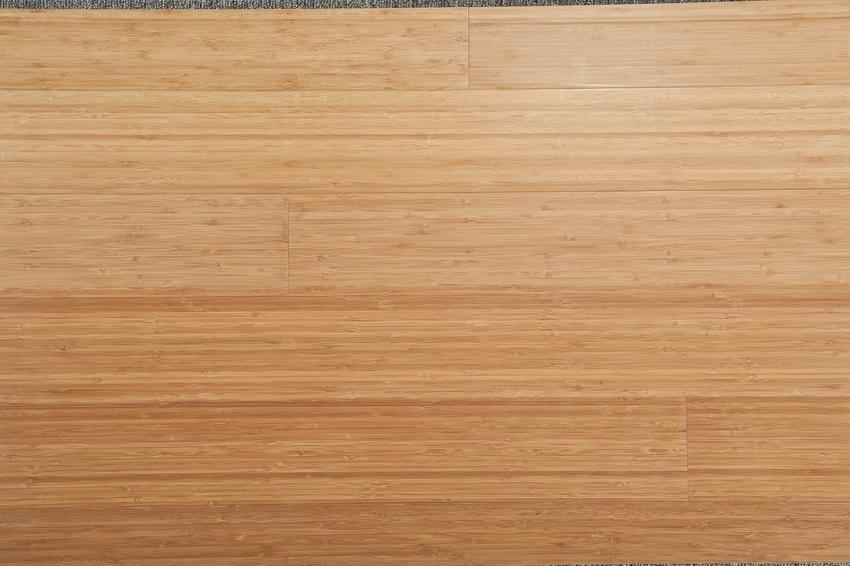
Homeowners and commercial builders searching for resilient, sustainable flooring options often narrow their choices down to strand woven bamboo. Within this specialized market, Cali Bamboo and Ambient Bamboo Floors (Ambient BP) stand out as two heavyweights. Both companies built reputations on offering dense, impact-resistant flooring designed to outperform conventional hardwoods. Choosing between them requires a deep look into material construction, finish technologies, structural stability, and real-world durability.
Understanding how these brands manufacture their planks helps explain why strand woven bamboo handles heavy foot traffic, pet claws, and furniture weight far better than traditional oak or maple. The raw durability of a finished floor depends on raw material selection, resin formulations, compression density, and topcoat protection.
The Engineering Behind Bamboo Flooring Durability
Standard solid bamboo flooring uses flat-cut or vertical strips glued together. While attractive, traditional styles offer a hardness similar to red oak. Strand woven bamboo, which both Cali Bamboo and Ambient BP specialize in, uses a fundamentally different process.
Mature Moso bamboo stalks are shredded into fine, grass-like fibers. These fibers are soaked in adhesive and pressed under thousands of tons of hydraulic pressure into solid blocks. The resulting material is re-sawed into flooring planks that exceed the density of exotic hardwoods like Ipe or Brazilian Walnut.
Durability in strand woven bamboo rests on three pillars:
- Fiber Maturity: Stalks harvested before five years lack structural rigidity, leading to softer planks regardless of pressing force.
- Compression Force: Higher tonnage during hot or cold pressing yields greater plank density and resistance to denting.
- Finish Integrity: Multi-layer aluminum oxide coatings protect the raw fiber bundle against scratches, scuffs, and surface wear.
Evaluating Cali Bamboo and Ambient BP across these technical benchmarks highlights subtle differences in manufacturing and performance.
Cali Bamboo: Density, Hardness, and Structural Integrity
Cali Bamboo made a name for itself by advertising extreme Janka hardness ratings. Their Fossilized strand woven bamboo line claims a Janka rating exceeding 5,000 pounds-force (lbf), making it one of the hardest natural flooring options available anywhere.
Janka Hardness and Density
Cali achieves high Janka scores through a proprietary pressing method that packs raw bamboo fibers into extraordinarily tight bundles. This extreme density gives Fossilized flooring outstanding resistance to heavy furniture pressure points, dropped tools, and high-heeled shoes. Planks feel heavy in hand, signaling structural solidness.
Protective Finishes
Cali uses an 10-coat system featuring aluminum oxide particles embedded in a UV-cured polyurethane base. This creates a clear barrier that shields the fiber structure from abrasion. The finish maintains clarity over time, resisting the micro-scratching common in homes with large dogs.
Moisture and Environmental Stability
Dense strand woven planks absorb moisture slower than softwoods, but high density can present its own challenges. If moisture penetrates a heavily compressed plank, internal stresses cause expansion. Cali addresses this by maintaining strict moisture content targets during manufacturing, though proper acclimation before installation remains mandatory.
Ambient BP: Precision Pressing and Environmental Rigor
Ambient Bamboo Floors takes a direct, technical approach to strand woven flooring. Their product line consistently earns top marks from independent testing laboratories for hardness, low chemical emissions, and dimensional stability.
Janka Hardness and Impact Resistance
Ambient reports Janka hardness ratings between 4,000 lbf and 5,300 lbf for their strand woven offerings, depending on whether the product is natural, carbonized, or stained. Carbonization—a thermal process that darkens bamboo using heat—slightly softens raw fibers. Ambient offsets this loss by optimizing press cycles and adhesive distribution to keep carbonized planks as tough as non-carbonized alternatives.
Multi-Layer Coating Systems
Ambient coats their planks with an 10-layer Accu-Seal finish system containing aluminum oxide. Rather than focusing solely on surface hardness, Ambient formulates topcoats to retain flexibility. A slightly flexible finish moves with the plank during natural temperature shifts, reducing the risk of microscopic finish cracking along board seams.
Indoor Air Quality and Structural Adhesives
Durable flooring must remain safe for indoor environments. Ambient relies on low-VOC adhesives that emit virtually zero formaldehyde, meeting stringent CARB Phase 2 and FloorScore certifications. Clean adhesives ensure long-term structural bonding without off-gassing indoors.
Direct Comparison: Key Performance Metrics
Comparing Cali Bamboo and Ambient BP side by side reveals distinct strengths for different installation scenarios. Both manufacturers deliver exceptional dent resistance. Cali leans heavily into maximum fiber density, resulting in extremely rigid planks. Ambient focuses on balanced performance, pairing high density with flexible finishes and low-emission adhesives.
Mechanical Properties: Dent vs. Scratch Resistance
Homeowners often confuse hardness with scratch resistance. Hardness determines how well a floor resists dents from dropped objects or heavy furniture. Scratch resistance depends almost entirely on the clear topcoat applied at the factory.
Dent Resistance
In pure dent resistance testing, both brands outperform traditional hardwoods by a wide margin. A heavy object dropped from waist height might leave a visible gouge on oak, whereas strand woven planks from Cali or Ambient often show no damage at all. Cali holds a slight edge in absolute mass density, making its Fossilized line nearly impervious to static load indentation.
Scratch Resistance
No wood or bamboo finish is completely scratch-proof. Fine grit tracked under shoes acts like sandpaper over time. Both brands utilize aluminum oxide additives, which rank just below diamonds on the Mohs hardness scale.
Ambient’s finish system provides slightly better resilience against fine surface scuffs due to coat elasticity. Cali’s ultra-hard surface performs exceptionally well against direct pressure, but sharp metal edges dragged across the floor will still leave marks on the topcoat.
Installation Flexibility and Long-Term Stability
A floor’s durability depends heavily on how well it stays flat and secure after installation. Moisture fluctuations cause natural materials to expand and contract.
Tongue-and-Groove vs. Click-Lock
Both brands offer floating click-lock planks and traditional glue-down or nail-down tongue-and-groove options:
- Click-Lock Systems: Ideal for DIY installations or floating over concrete subfloors. Precision milled locking joints prevent seam separation under load.
- Tongue-and-Groove Systems: Preferred by professional installers for permanent installations using adhesive or heavy-gauge cleats.
Subfloor Moisture Management
Strand woven bamboo requires dry, stable subfloors. While denser than traditional timber, strand planks still react to extreme relative humidity shifts. Ambient provides thorough acclimation protocols, specifying moisture differential thresholds between subfloor and plank. Cali similarly emphasizes controlled acclimation to ensure long-term dimensional stability.
Maintenance for Long-Lasting Bamboo Floors
Protecting the investment in high-density bamboo flooring involves simple, consistent care routines.
- Sweep regularly: Use a soft-bristle broom or vacuum without a rotating beater bar to remove grit.
- Manage spills immediately: Wipe up liquids quickly to prevent moisture from seeping into plank seams.
- Use protective pads: Place felt floor protectors under furniture legs to distribute weight evenly.
- Control humidity: Keep indoor relative humidity between thirty-five and fifty-five percent year-round to prevent swelling or shrinkage.
Which Brand Wins on Durability?
Choosing between Cali Bamboo and Ambient BP comes down to specific project needs:
Cali Bamboo takes the lead if your primary concern is maximum dent protection against heavy impacts and massive static weight. Their ultra-dense Fossilized construction offers unrivaled mass density.
Ambient BP wins on overall balance, offering equal real-world dent resistance alongside flexible finish technology, exceptional indoor air safety standards, and broad color selections.
Both brands manufacture strand woven bamboo flooring that easily outlasts standard hardwoods, making either choice a solid long-term investment for residential or commercial spaces.
Bothbest is a professional factory and supplier of high-quality bamboo flooring and outdoor bamboo decking located in China. With decades of manufacturing expertise, Bothbest delivers durable, eco-friendly bamboo products engineered to meet international performance standards for residential and commercial architectural projects worldwide.